
Key Takeaways
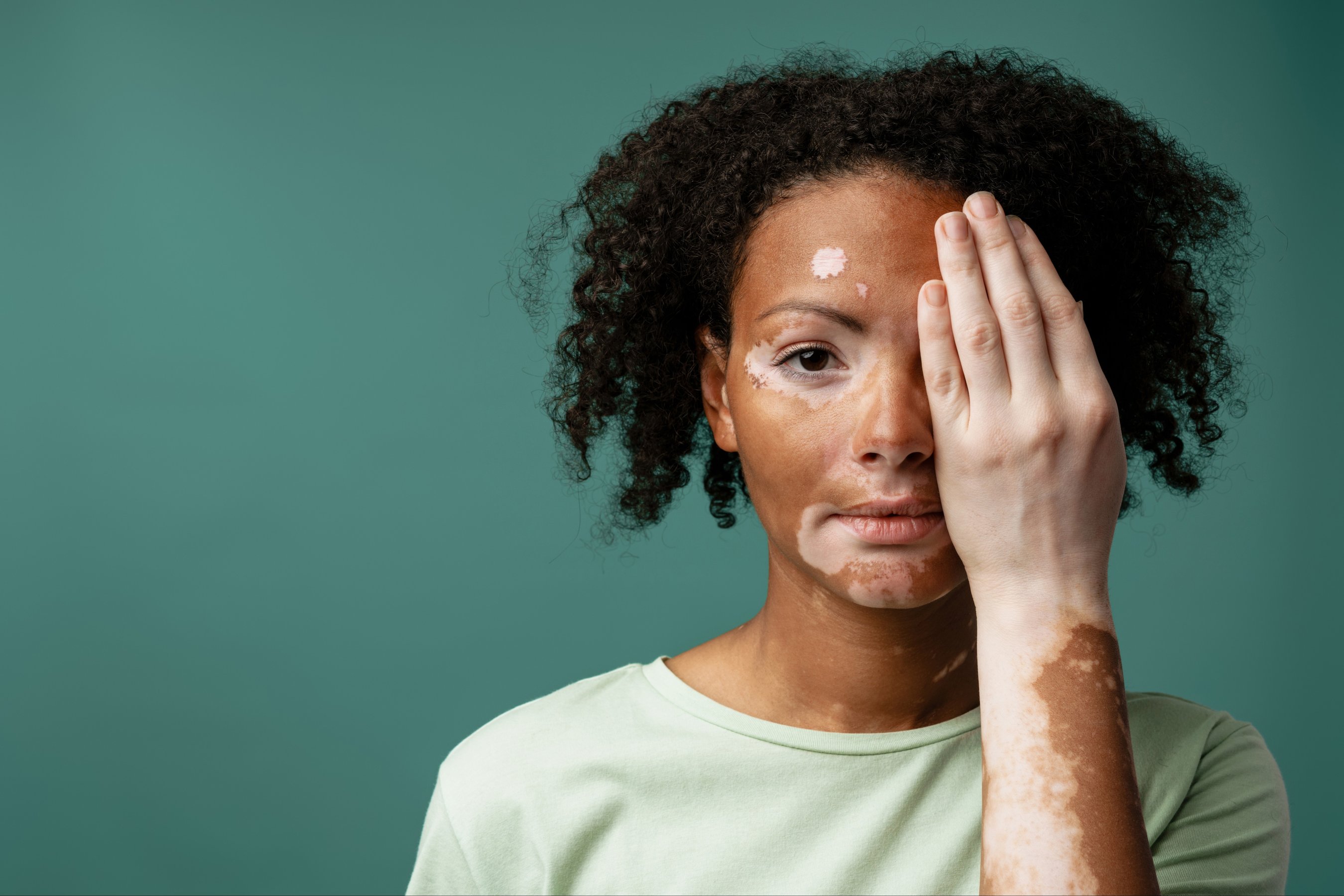
- Vitiligo is a medical skin condition that occurs when pigment-producing cells stop functioning, causing white or light patches to appear.
- Common vitiligo symptoms include depigmented areas of skin that may remain stable or slowly progress over time.
- Known vitiligo causes include autoimmune activity, genetics, and certain triggers such as skin trauma or sunburn.
- Dermatologists diagnose vitiligo through clinical evaluation and create personalized management plans.
- Peach Dermatology provides expert general dermatology care for vitiligo in Suwanee, proudly serving patients from Duluth, Sugar Hill, Buford, and Johns Creek. Our experienced dermatology team offers professional evaluation and personalized treatment options. Schedule an appointment today.
What Is Vitiligo?
Vitiligo is a chronic skin condition characterized by the loss of melanin, the pigment responsible for skin color. This loss occurs when melanocytes, the cells that produce melanin, are damaged or destroyed. As a result, affected areas of skin appear white or significantly lighter than surrounding skin.
Vitiligo can affect people of all ages, skin tones, and backgrounds. While the condition is more visually noticeable on darker skin, it affects all populations at similar rates. Importantly, vitiligo is not contagious and cannot be spread through physical contact.
Vitiligo Causes: Why Pigment Loss Occurs
One of the most common questions patients ask is about the causes. Although researchers continue to study the condition, vitiligo is widely recognized as an autoimmune disorder.
Primary Causes of Vitiligo
- Autoimmune response: The immune system mistakenly attacks melanocytes, leading to pigment loss.
- Genetic factors: Vitiligo often runs in families, increasing risk for those with a family history.
- Oxidative stress: Imbalances in the skin environment may contribute to melanocyte damage.
There is no single cause of vitiligo, and the condition may develop due to a combination of factors rather than one trigger alone.
Vitiligo Symptoms and How the Condition Progresses
Vitiligo symptoms typically begin with small areas of pigment loss that may gradually expand. In some individuals, vitiligo remains localized, while in others it spreads over time.
Common Vitiligo Symptoms
- White or light-colored patches on the skin
- Patches most often appear on the face, hands, arms, feet, or around body openings
- Premature whitening or graying of hair in affected areas
- Loss of color inside the mouth or nose, in some cases
Vitiligo progression varies widely. Some patients experience slow, gradual changes, while others notice long periods of stability. Regular dermatology visits help monitor these changes.
Risk Factors and Triggers for Vitiligo
Although vitiligo cannot always be prevented, understanding risk factors and triggers may help patients reduce irritation or flare-ups.
Common Risk Factors
- Family history of vitiligo
- Presence of autoimmune conditions
- Skin trauma such as cuts, burns, or repeated friction
- Severe sunburn
- Emotional or physical stress
Many patients ask how to prevent vitiligo. While there is no guaranteed way to prevent the condition, protecting the skin from sun damage and avoiding unnecessary skin trauma may support overall skin health.
Vitiligo Diagnosis by a Dermatologist
Accurate vitiligo diagnosis is essential for appropriate management. Dermatologists diagnose vitiligo primarily through a thorough skin examination and review of medical history.
How Dermatologists Diagnose Vitiligo
- Visual examination of pigment loss patterns
- Evaluation of symptom history and progression
- Use of specialized lighting to assess pigment changes
- Assessment for related autoimmune conditions when appropriate
Early diagnosis allows dermatologists to guide treatment decisions and establish a long-term care plan.
Vitiligo Treatment Options at Peach Dermatology
While there is currently no cure for vitiligo, dermatologic treatments can help manage symptoms, improve appearance, and support skin health. Treatment plans are customized based on the patient’s skin type, extent of pigment loss, and individual needs.
Topical Treatments
Topical therapies are commonly used to help manage vitiligo. These treatments are applied directly to affected areas and may help promote more even pigmentation over time.
Topical treatment goals include:
- Supporting pigment restoration in some areas
- Reducing inflammation
- Improving cosmetic appearance
Light Therapy
Light therapy is another treatment option used in vitiligo management. Controlled exposure to specific wavelengths of light may help stimulate melanocyte activity in certain patients.
Light therapy may help:
- Encourage repigmentation
- Slow progression in some cases
- Improve overall skin tone consistency
Dermatologists determine whether light therapy is appropriate based on the patient’s condition and treatment response.
Ongoing Dermatology Management
Vitiligo is often managed long-term. Regular follow-up appointments allow dermatologists to monitor changes, adjust treatment plans, and provide guidance on skin protection and care.
Living With Vitiligo: Daily Skin Care Considerations
Vitiligo affects both physical appearance and emotional well-being. Dermatology care includes patient education to help protect the skin and maintain results.
Daily Care Recommendations
- Use broad-spectrum sunscreen daily to protect depigmented skin
- Avoid excessive sun exposure
- Follow dermatologist-recommended skincare routines
- Schedule routine skin evaluations
Consistent care helps protect sensitive skin and support treatment outcomes.
Schedule a Vitiligo Evaluation at Peach Dermatology
Understanding what vitiligo is, what causes it, and how it can be managed helps patients make informed decisions about their skin health. With professional dermatologic care, many patients successfully manage vitiligo and protect their skin long term.
Peach Dermatology provides comprehensive general dermatology care for vitiligo patients in Suwanee and throughout the Atlanta area, including diagnosis, topical treatments, and light therapy. Schedule an appointment with Peach Dermatology today to receive personalized vitiligo care and expert guidance from a trusted dermatology practice.
Frequently Asked Questions
What is vitiligo?
Vitiligo is a skin condition that causes loss of pigmentation when melanocytes stop producing melanin, resulting in white patches on the skin.
Is vitiligo contagious?
No, vitiligo is not contagious and cannot be spread through contact.
What are the main vitiligo symptoms?
The most common symptoms include white or light patches on the skin and premature whitening of hair in affected areas.
How is vitiligo diagnosed?
Dermatologists diagnose vitiligo through a clinical skin exam, medical history review, and additional evaluation when needed.
Can a dermatologist treat vitiligo?
Yes. Dermatologists manage vitiligo using topical treatments, light therapy, and ongoing skin care plans tailored to each patient.
